
Ashlar vs Rubble Stone: Identifying Stonework on Edinburgh Homes
(For Illustrative Purposes Only)
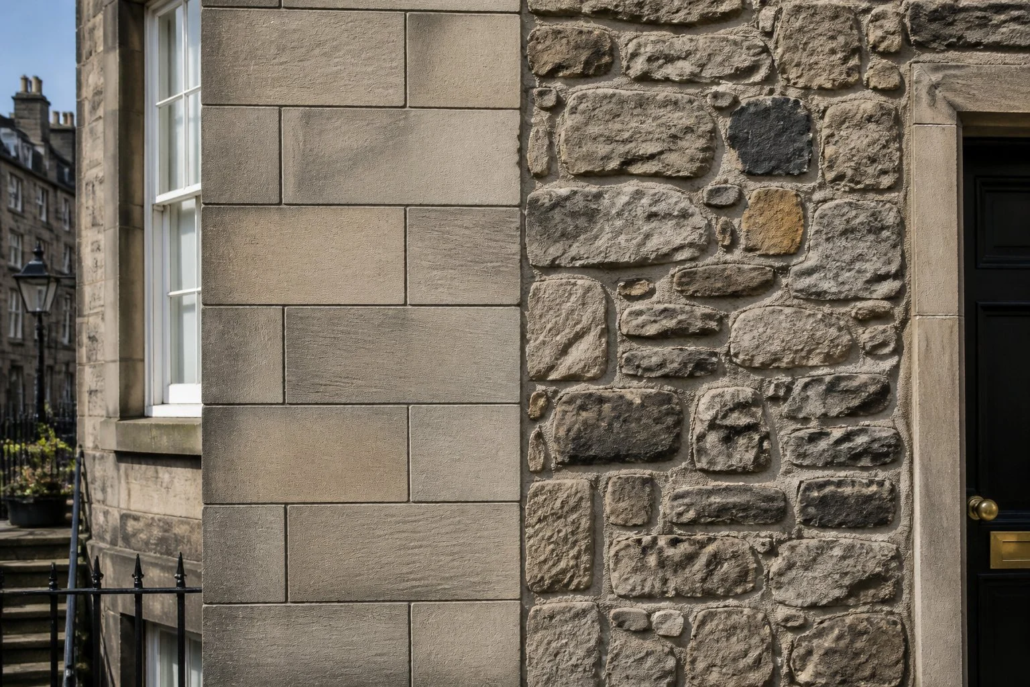
Many Edinburgh properties showcase traditional stonework, but stone walls aren’t all built the same. The two main types of stone masonry you’ll spot on Edinburgh buildings are ashlar masonry, which uses precisely cut rectangular blocks, and rubble masonry, which relies on irregular or roughly shaped stones.
Knowing which type appears on your property can help you make smarter choices about maintenance and repairs.
Each masonry method has its own look and purpose. Ashlar stonework often appears on building fronts and around windows where a tidy appearance matters.
Rubble masonry usually makes up larger wall sections, boundary walls, and garden structures, where durability trumps a polished finish.
The age of your Edinburgh property, its location, and why it was built all influenced which masonry technique the builders picked.
This guide walks you through how to spot each stonework type and what that means for keeping your property in good shape.
Understanding Stone Masonry Types
(For Illustrative Purposes Only)
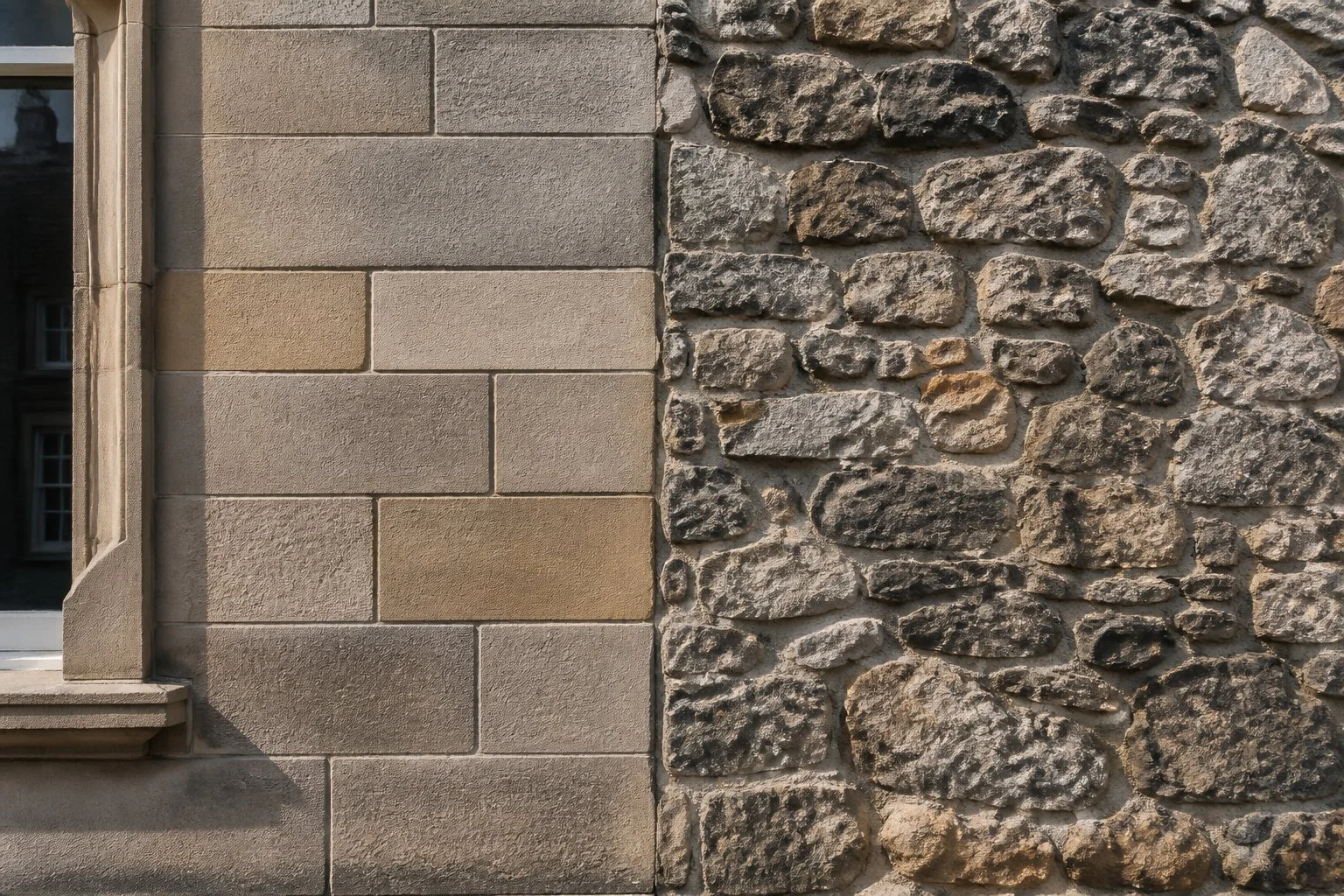
Stone masonry falls into two main categories based on how masons cut and arrange the stones. Rubble masonry uses irregular, natural stones, while ashlar masonry relies on precisely cut blocks laid in neat, uniform patterns.
Classifications of Stone Masonry
Stone masonry splits into two primary types that shape both the look and the building process. Rubble masonry uses stones in their natural, uneven shapes or roughly squared forms.
These stones fit together without uniform sizing, so you get varied joint widths and a textured surface. Ashlar masonry requires stones cut into precise rectangular blocks with smooth faces and even edges.
Masons dress these blocks to exact dimensions, so they sit in regular horizontal courses with thin, consistent mortar joints.
Both types use mortar to bond stones together, usually lime-based in Edinburgh’s traditional buildings. The choice between rubble and ashlar had more to do with a building’s importance, budget, and the look they wanted, rather than just structure.
Overview of Rubble and Ashlar Techniques
You’ll spot rubble masonry in boundary walls, garden structures, and big wall sections throughout Edinburgh. Masons pick and position each irregular stone for stability, filling gaps with smaller stones and mortar.
This technique creates naturally textured surfaces with a lot of character and depth. Ashlar masonry, on the other hand, requires skilled cutting and dressing of stone blocks before laying.
You’ll find ashlar on house fronts, window surrounds, and decorative features anywhere a refined look matters. Uniform blocks stack in tidy courses with barely any mortar showing between joints.
Ashlar demands more labour and precision, while rubble masonry leans on the mason’s eye for fitting odd shapes together.
Features and Methods of Rubble Masonry
(For Illustrative Purposes Only)
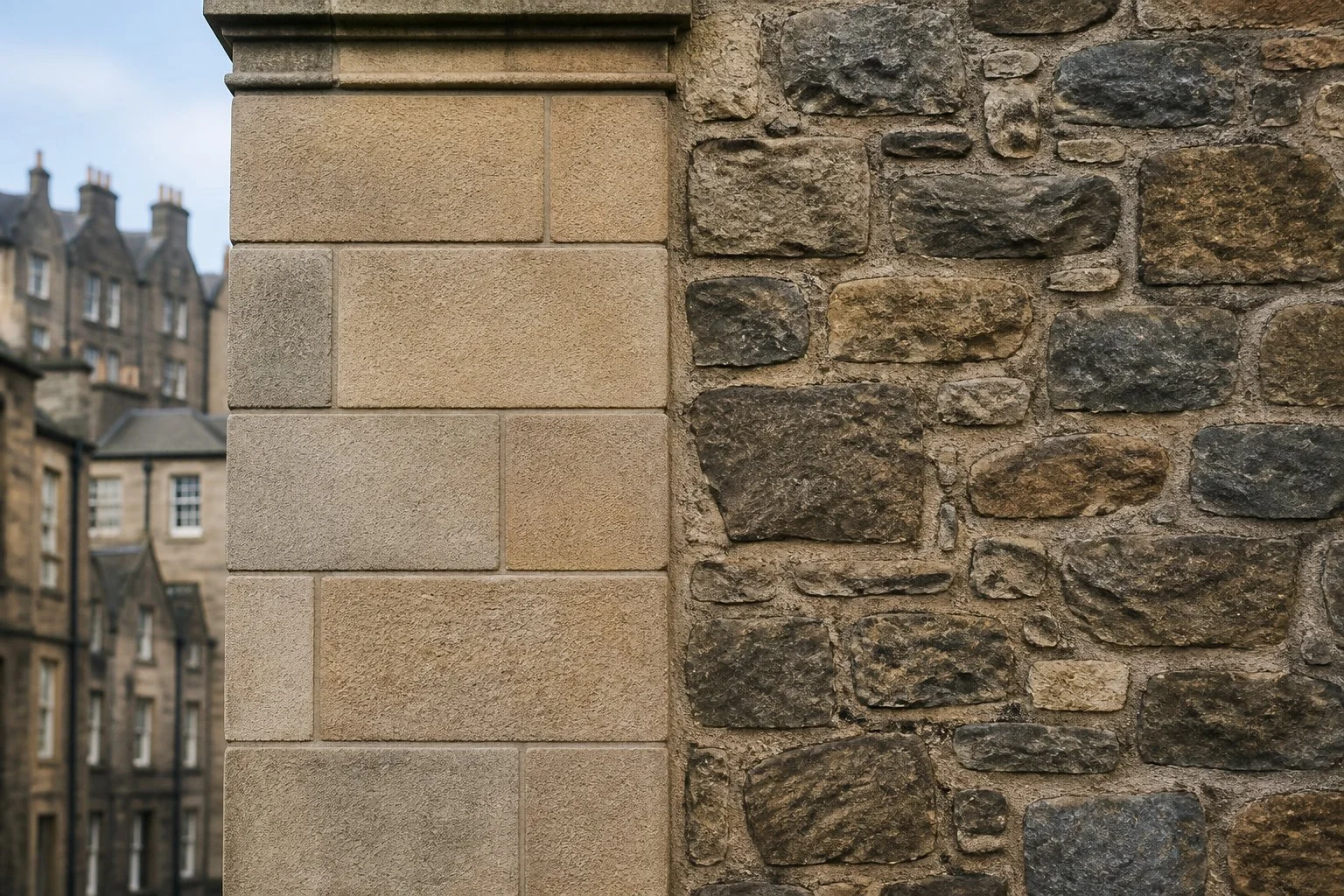
Rubble masonry uses irregularly shaped stones laid with or without mortar. This creates walls that range from rough and rustic to more ordered, depending on the method.
The stones usually get only basic dressing. Builders arrange them by specific techniques that shape both the look and the strength of the wall.
Random Rubble Masonry Essentials
Random rubble masonry uses stones in their natural, irregular shapes, with little to no attempt to create uniform layers. Masons place stones as they come from the quarry, shaping them just a bit with a hammer.
Stone sizes and shapes vary throughout the wall. Builders pick each stone carefully to fit the available space, creating an interlocking pattern for strength.
Mortar fills the gaps between stones and holds the wall together. This method works well for boundary walls and garden features on Edinburgh properties.
The technique takes skill; masons judge which stones fit together best. Headers (stones that run through the wall’s thickness) pop up at regular intervals to tie the wall together and boost stability.
Random rubble gives a rustic, old-school look that fits Edinburgh’s older buildings. The irregular pattern gives each wall its own personality.
Squared and Coursed Rubble Masonry
Squared rubble uses stones that have roughly squared faces and edges, shaped by hammer-dressing. These stones make for more uniform walls compared to random rubble.
Coursed rubble masonry arranges these squared stones in horizontal layers of similar height. Each course usually ranges from 150mm to 300mm high.
The stones in each course might vary a bit, but they line up at the top to create a level surface before the next layer starts. The course describes walls where irregular stones gradually line up to form a level course at intervals.
This method sits somewhere between fully random and strictly coursed work. Squared rubble shows up on many Edinburgh public buildings and homes.
The more refined look fits prominent facades and retaining walls. Coursing improves structural stability, making it a solid choice for load-bearing walls.
Dry Rubble Stonework Applications
Dry rubble masonry skips mortar entirely. Builders rely on carefully choosing and placing stones to create stable structures.
The stones lock together through gravity and friction. Skilled masons pick stones that fit tightly, using smaller ones as wedges to secure larger pieces.
This method needs real expertise if you want long-term stability. You’ll see dry rubble work in traditional boundary walls and old agricultural buildings around Edinburgh.
Dry walls let water drain through, stopping moisture build-up and frost damage. That makes them great for retaining walls on sloped ground.
Dry stone walls can last centuries if built well. They flex a little with ground movement, instead of cracking like mortared walls. Still, they do need occasional maintenance to replace stones that work loose over time.
Characteristics and Craft of Ashlar Masonry

(For Illustrative Purposes Only)
Ashlar masonry represents the gold standard of stone construction. It uses precisely cut rectangular blocks to create a uniform, refined look.
This method demands real craftsmanship, careful stone preparation, thin joints, and finishing techniques that set it apart from rougher styles.
Finely Dressed Stones in Construction
Ashlar stone comes in blocks cut and dressed on all faces that touch other stones. That lets masons create exceptionally thin mortar joints.
Each stone gets prepped to specific dimensions, usually with rectangular or square faces that fit together with barely any gaps. Stonemasons finish the surfaces with different methods, such as chisel dressing for smooth or textured looks, depending on what’s wanted.
Joints between blocks can be just a few millimetres thick.
Common ashlar finishes include:
- Smooth, polished surfaces for formal buildings
- Rock-faced textures with a rough, quarry look
- Chamfered ashlar with bevelled block edges
- Fine, tooled surfaces with subtle chisel marks
- Rough-tooled finishes for less formal settings
Ashlar Fine Masonry and Its Variations
(For Illustrative Purposes Only)
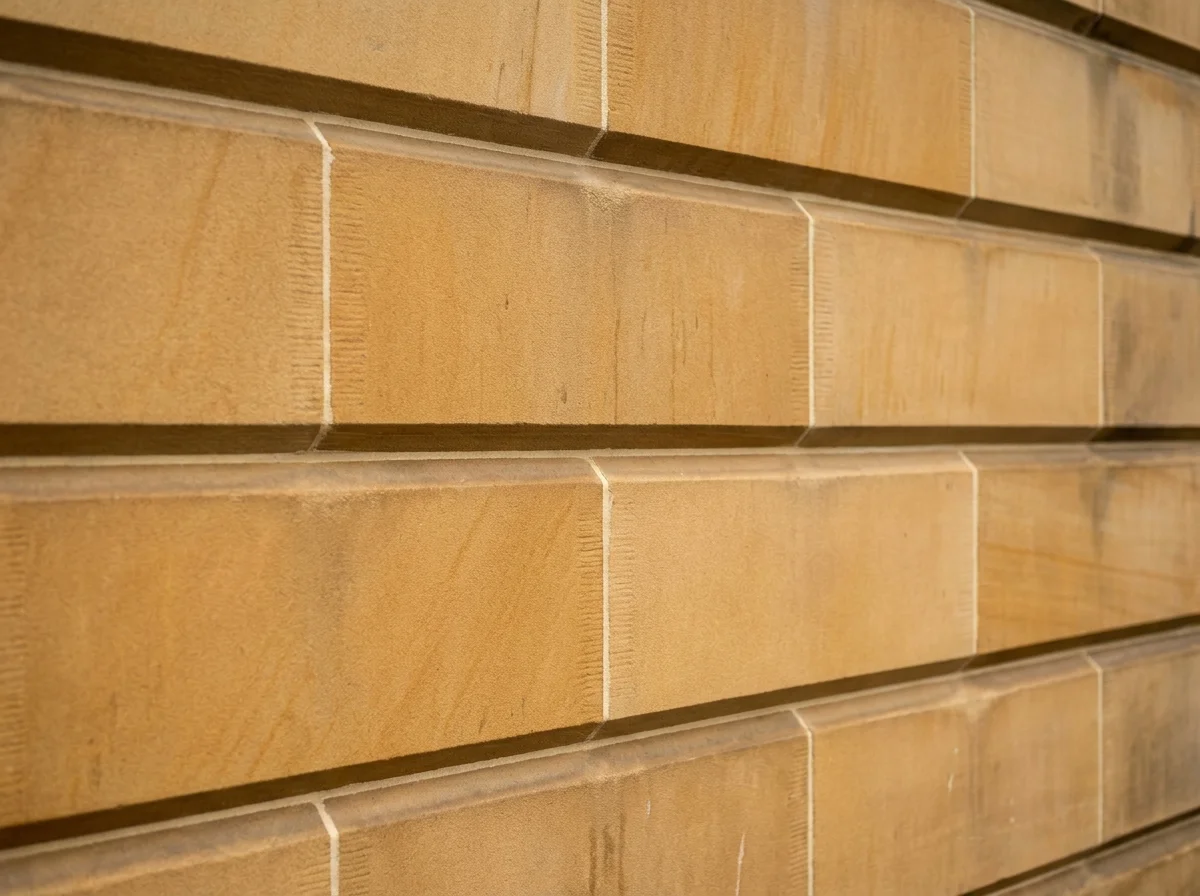
Ashlar fine masonry uses the most precisely cut blocks, creating walls with barely visible joints and top-notch structural integrity. You’ll see this in Edinburgh’s Georgian terraces and Victorian civic buildings, where quality really mattered.
The blocks usually stand around 35 centimetres tall for big projects. Anything under 30 centimetres counts as small ashlar. Masons lay these blocks in courses (continuous horizontal rows), or sometimes in random patterns with staggered joints.
Mortar and cement both get used as bonding materials, but traditional lime mortar still works best for historic properties. Headers (stones set perpendicular to the wall face) tie the outer and inner wall sections together.
Ashlar Facing: Blending Quality and Economy
Ashlar facing uses dressed stone blocks just on the visible exterior surface, backing them with cheaper rubble or brick. This gives you the refined look of full ashlar at a much lower cost.
The facing stones are typically 10 to 15 centimetres thick, bonded to the backing wall with metal ties or headers extending into the core. You’ll find this technique all over Edinburgh’s New Town, where builders wanted impressive street-facing walls but saved money on hidden sides.
Quality varies a lot. The best examples use well-dressed stones with consistent sizing and tight joints. Lesser work might show thinner blocks or wider mortar gaps, kind of a giveaway that it’s a cost-saving measure.
Comparative Strengths and Typical Uses
Ashlar and rubble masonry each bring their own structural strengths, making them suitable for different jobs. The decision often comes down to what the project needs structurally and the look the owner wants.
Durability and Load-Bearing Performance

(For Illustrative Purposes Only)
Ashlar masonry delivers top-notch load-bearing capacity thanks to its precisely cut blocks and uniform joints. The tight stones spread weight evenly, making this style ideal for multi-storey buildings and structures that need to support heavy loads.
The dressed stones leave minimal gaps, which helps keep water out and boosts long-term durability. Rubble masonry still offers solid strength, especially if built well with good mortar.
The irregular shapes interlock to resist side-to-side forces. But, since joint widths and stone sizes vary, it’s less predictable for really heavy loads.
Both styles can last for generations if built right. How well your property’s stonework holds up mostly depends on the original craftsmanship and ongoing maintenance, especially the mortar joints.
Design Impacts on Public and Boundary Walls
(For Illustrative Purposes Only)
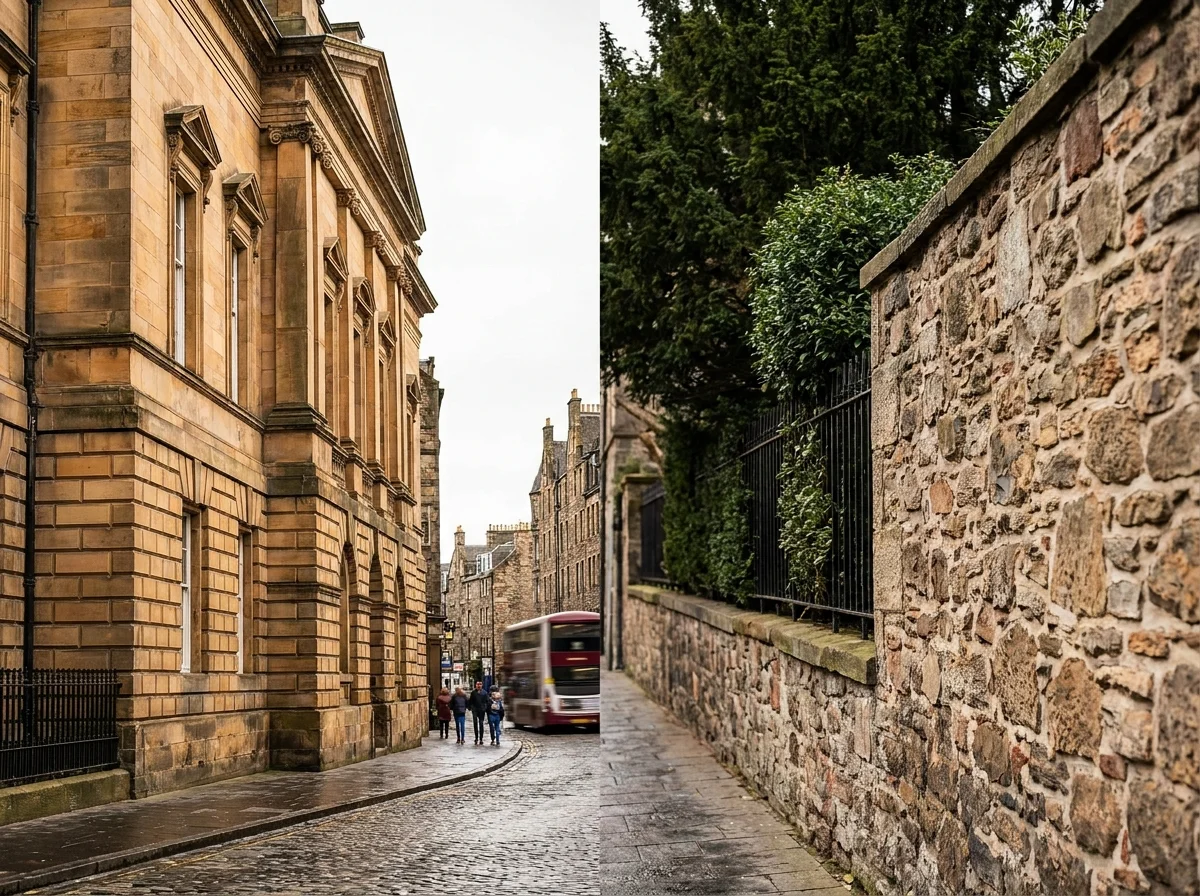
Public buildings usually feature ashlar masonry on their facades. The clean lines and uniform look suggest permanence and prestige.
You’ll spot this technique on Edinburgh’s historic civic buildings, churches, and impressive residential fronts where looks count. Boundary walls, on the other hand, more often use rubble masonry.
The textured appearance fits garden walls and property boundaries, where strength matters more than a polished look. It’s also easier on the budget while still offering good durability.
Window surrounds and decorative features almost always use ashlar stonework, since the precise cuts let masons create detailed architectural elements that just aren’t possible with irregular rubble stones.
Role in Retaining Walls and Abutments

(For Illustrative Purposes Only)
Retaining walls benefit from rubble masonry’s irregular shapes, which create strong mechanical bonds. The interlocking stones help resist the sideways pressure from soil.
Garden terraces and hillside properties all over Edinburgh use this method. Abutments for bridges and arches, though, need ashlar masonry’s precision.
The uniform blocks spread concentrated loads safely and create smooth surfaces for structural arches. Engineers specify dressed stone for these critical spots where failure just isn’t an option.
Some properties mix both techniques. Load-bearing sections might use ashlar, while infill areas use rubble, balancing strength and cost.
Frequently Asked Questions
Understanding the specifics of stone masonry helps you identify what’s on your property and make better choices about maintenance. Here are some common questions about distinguishing between ashlar and rubble stonework in Edinburgh buildings.
How can I tell whether my property’s stonework is ashlar or rubble masonry?
Take a close look at the stones in your walls. Ashlar masonry uses blocks cut into uniform rectangles with smooth faces and straight edges.
The stones fit together with very thin mortar joints, sometimes just a few millimetres wide. Rubble masonry uses stones that are undressed or just roughly shaped.
The stones vary in size and shape throughout the wall. You’ll see thicker mortar joints and a more textured, uneven look overall.
Check the stone faces, too. Ashlar blocks have flat, dressed surfaces that create a neat grid. Rubble stones show their natural faces or might have just a bit of shaping.
What are the key visual differences between coursed rubble, random rubble and polygonal rubble masonry?
Coursed rubble masonry lines up stones in roughly horizontal layers or courses. The stones in each course usually have similar heights, but their lengths can change from one to the next.
This style creates clear horizontal lines that run across the wall. It’s pretty easy to spot once you know what to look for.
Random rubble masonry skips the regular pattern. Builders fit stones together more like a puzzle, mixing big and small pieces throughout.
You won’t see any consistent horizontal lines in random rubble walls. It’s a bit chaotic, but there’s a charm to that unpredictability.
Polygonal rubble masonry uses stones shaped to fit snugly at their edges, so you get multi-sided pieces. The finished look feels like an irregular geometric pattern, with each stone interlocking more tightly than you’d find in standard random rubble.
What does ashlar masonry typically look like on Edinburgh tenements and townhouses?
Walk around Edinburgh, and you’ll spot ashlar masonry on the main façades of many tenements, especially the grand Victorian and Georgian ones. Here, masons cut stone blocks to precise sizes and lay them in neat horizontal rows.
Thin, uniform mortar joints run between the blocks, giving these buildings a crisp, formal look. It’s hard not to appreciate the skill involved.
Polished or finely dressed ashlar blocks often cover the frontages, lending a refined vibe. The cornerstones usually stand out, they’re bigger and more noticeable than the rest.
Window and door surrounds get extra attention. Masons use carefully cut stones here, sometimes adding decorative touches or slightly raised margins around the edges.
What is chamfered ashlar masonry, and where is it commonly found in Edinburgh?
Chamfered ashlar masonry stands out because each stone block has bevelled edges around its face. The centre of the block sits a bit recessed, with raised margins along all four sides.
This creates a shadowed frame around every stone, adding depth and a subtle play of light. You can spot chamfered ashlar on many Georgian and early Victorian buildings in Edinburgh’s New Town and other historic areas.
The raised margins usually measure about 25-40 millimetres wide. They help shield the stone’s main face from weather and damage, while giving the façade a little more texture and visual interest.
Is ashlar masonry still used in modern construction and repairs, and how does it compare with traditional rubble work?
Modern stonemasons still use ashlar masonry for repairs on historic buildings. They also choose it for new construction that needs to match existing stonework.
This technique calls for skilled craftspeople who can cut and dress stone to pretty exact standards. Ashlar work tends to cost more than rubble masonry because of the precision cutting and the time it takes to make uniform blocks.
Masons need to keep mortar joints very thin, so they have to prepare and lay each stone with extra care. Honestly, it takes patience and a steady hand.
Rubble masonry, on the other hand, remains a favourite for boundary walls and garden structures. People often pick it when a rustic look fits the setting.
It uses less precisely cut stone and handles a wider range of sizes, which makes it more affordable for some jobs. Sometimes, a bit of irregularity just works better.

 Heritage Masonry Edinburgh
 Heritage Masonry Edinburgh
